
Rose Park Primary School recently celebrated Harmony Day in a vibrant and meaningful way, fostering inclusivity, respect, and community spirit.
The day kicked off with a special whole-school assembly hosted by the Year 6s in Room 1 under the COLA. The Reception and Year 1 students performed a Japanese song showcasing the diversity and unity within our school community. Their performances were full of energy and enthusiasm, setting the tone for a day of celebration.
Throughout the day, Year 6 student leaders ran a variety of fun and engaging lunchtime activities. Students had the opportunity to participate in a sandcastle building contest, where creativity and teamwork flourished, and enjoyed making flags to celebrate different cultures. Other activities included crafting friendship bracelets, designing bookmarks, and visiting the Calm Corner for some quiet reflection.
One of the highlights of the day was the whole school gathering on the oval, where students sat together with their buddies to share lunch. This beautiful moment emphasised the sense of belonging and unity within our Rose Park community. It was a wonderful opportunity for students of all ages and year levels to come together and celebrate such a meaningful day.
Harmony Day at Rose Park Primary was a reflection of our commitment to creating an inclusive, respectful, and connected school environment. A big thank you to all the students, staff, and leaders who made this day so special!
Celebrating Harmony Day with Room 1 Year 6s
South Australia Celebrates Cultural Diversity! By Rory, Alice, and Ben
In South Australia, we take pride in celebrating and valuing cultural diversity, and we’re excited to share with you how our state fosters inclusivity and respect for all cultures.
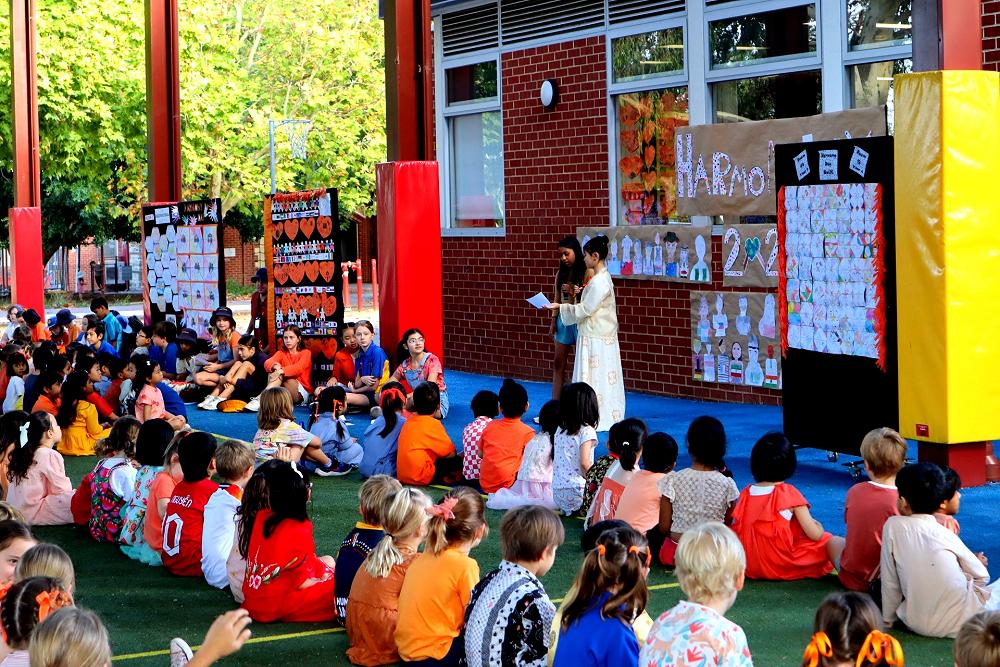
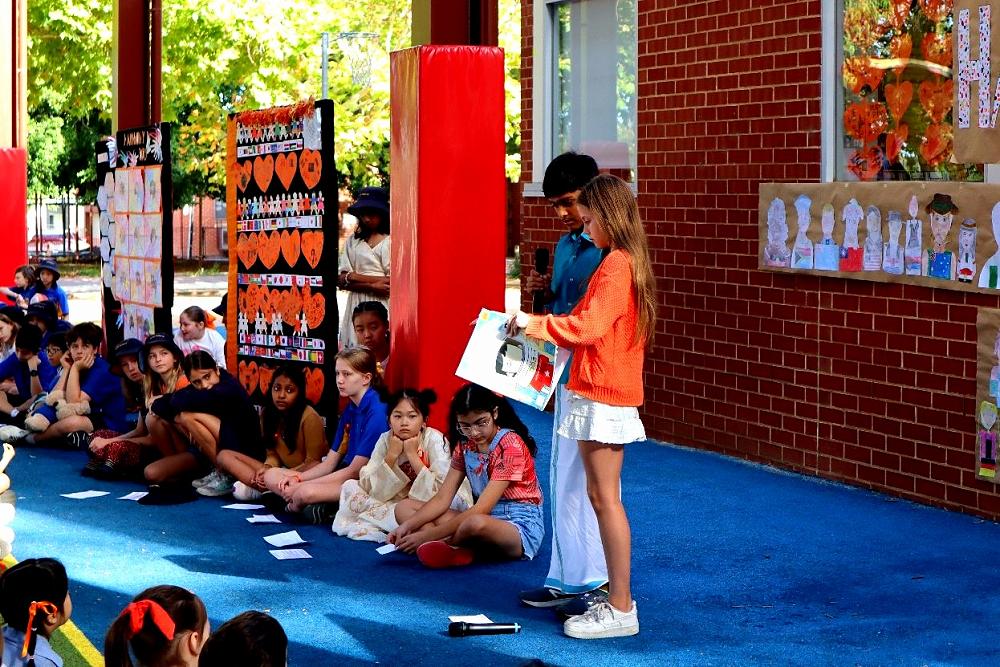
The SA Multicultural Charter
South Australia’s State Government has introduced the SA Multicultural Charter, a vital initiative that strengthens the connections between people of different cultural backgrounds. But what does that mean for us?
The Charter is a legal document created by the State Government to help all South Australians recognise our shared history, embrace where we are now, and plan for a future that includes everyone in our diverse community. “The Charter has six key principles designed to promote an inclusive, harmonious community that values and respects diversity. It’s all about making sure every individual, no matter their background, feels included and respected.”
How Can You Get Involved?
We want all South Australians to download a copy of the Charter and take steps to include its principles in everyday life—whether that’s in your clubs, organisations, or workplaces.
Celebrating Harmony Day
South Australia isn’t alone in celebrating diversity. Across the country, Australians unite to celebrate Harmony Day—a day dedicated to promoting cultural understanding and inclusiveness.
How Does Our Nation Celebrate Harmony Day?
By Evie, Beatrice and Mabel
Harmony Day is a time for all Australians to come together and celebrate the diversity that makes our country so unique. While many of us wear orange to show our support (just like we learned earlier!), there are plenty of other ways to get involved.
Across the nation, you might find events like morning teas, picnics, fairs, concerts, school assemblies, sporting events, and even national costume days. These events are all about showcasing the rich variety of cultures, traditions, and backgrounds that shape our multicultural community.
So, are you saying there are lots of ways to celebrate Harmony Day?
That’s right! Whether it’s at school, work, or in your local community, there are so many different ways to join in the celebration of Harmony Day.
At school, we celebrate Harmony Day every year… but this year, things are a little different.
Recently, Harmony Day has evolved into Harmony Week because of how important it has become to our national identity. It’s now a week-long celebration of unity and inclusion!
But why are we celebrating Harmony Day today, and not on any other day?
Good question! Harmony Day is actually linked to the United Nations Day for the Elimination of Racial Discrimination. The first Harmony Day was celebrated in Australia back in 1999, and it’s been growing ever since.
Not every school celebrates it on the exact same day, though. Some hold their events a little before or after the official day— Friday, March 21, 2025.
Now, let’s dive into why this day is so globally significant and take a closer look at the ongoing efforts to eliminate racial discrimination around the world.
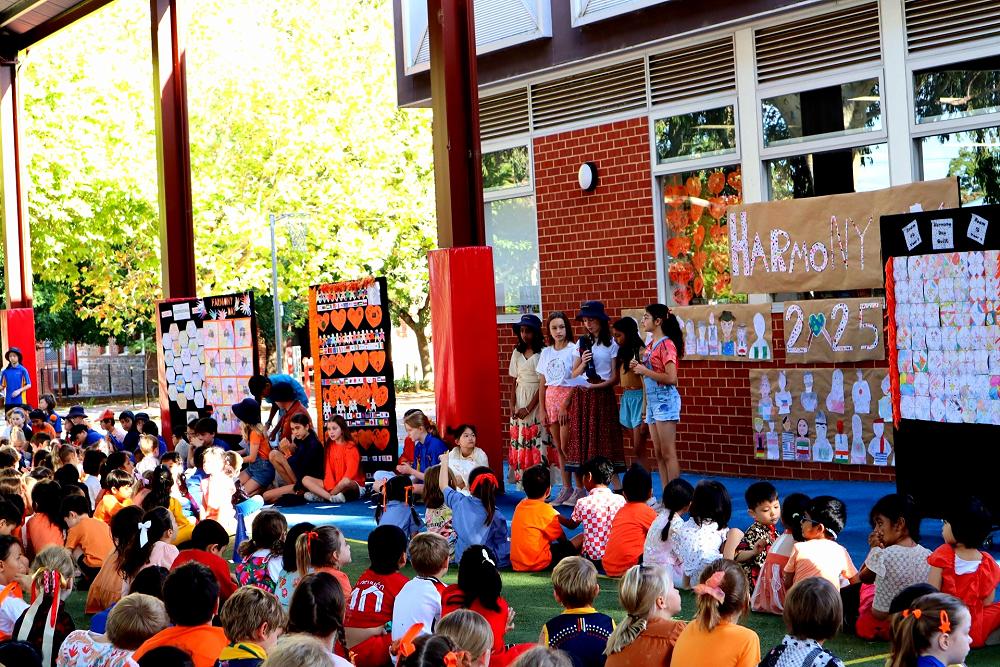
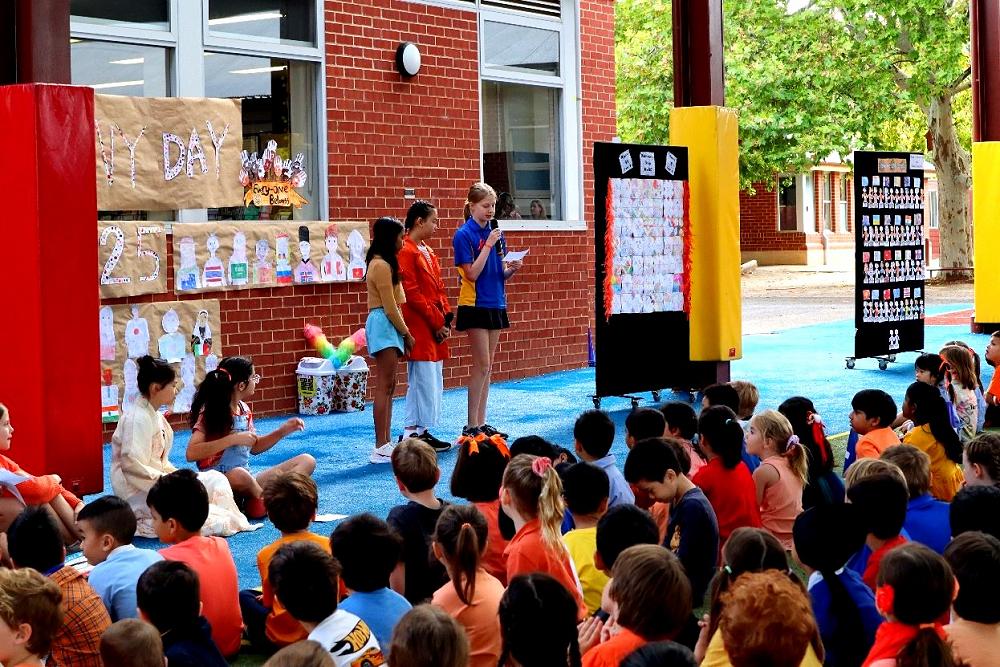
International day for the Elimination of Racial Discrimination
by Maja, Azure and Enuki
We should first talk about the United Nations. The UN which is short for the United Nations was first formed after World War 2 in 1945.
How many members does the UN have?
The UN currently has 193 state members.
Now you’re probably wondering what the UN does? Well the UN actually helps find peaceful solutions to fights or arguments between countries. If these occur then the UN sends military trained troops to try and stop it.
Did you know that the UN helps to avoid danger and also tries to protect the human rights of everyone? Additionally, the UN makes sure that every person is treated equally, no matter what.
The International Day for the Elimination of Racial Discrimination was founded in 1966, six years after a horrific event occurred which resulted in the loss of human life in 1960.
This day remembers the lives of those who passed, who were fighting for democracy and equal human rights for all in South Africa during apartheid, an institutionally racial system built upon racial discrimination.
In September 2021, the United Nations General Assembly brought together world leaders for a one day meeting in New York to record the twentieth anniversary of the approval of the Durban Declaration and Programme of Action under the theme of “Reparations, racial justice and equality for People of African Descent.”
Since then, the apartheid system in South Africa has been dismantled. Racist laws and practices have been abolished in many countries have built an international framework for fighting racism, guided by the International Convention on the Elimination of Racial Discrimination.


